We spent a decade learning to please the algorithm. Then the rules changed overnight.
Google's AI Overviews have fundamentally shifted how B2B buyers find answers. Instead of clicking through ten blue links, they now read synthesized responses pulled directly from the web—and your content either gets cited or gets ignored.
The difference between being a source and being invisible comes down to structure. Not keyword stuffing. Not publishing volume. Structure.
Here's the uncomfortable truth: most B2B blogs fail the AI Overview test—not because they lack expertise, but because they bury good information in walls of text that language models can't easily parse. Your competitor with half your knowledge but twice your formatting discipline will get the citation.
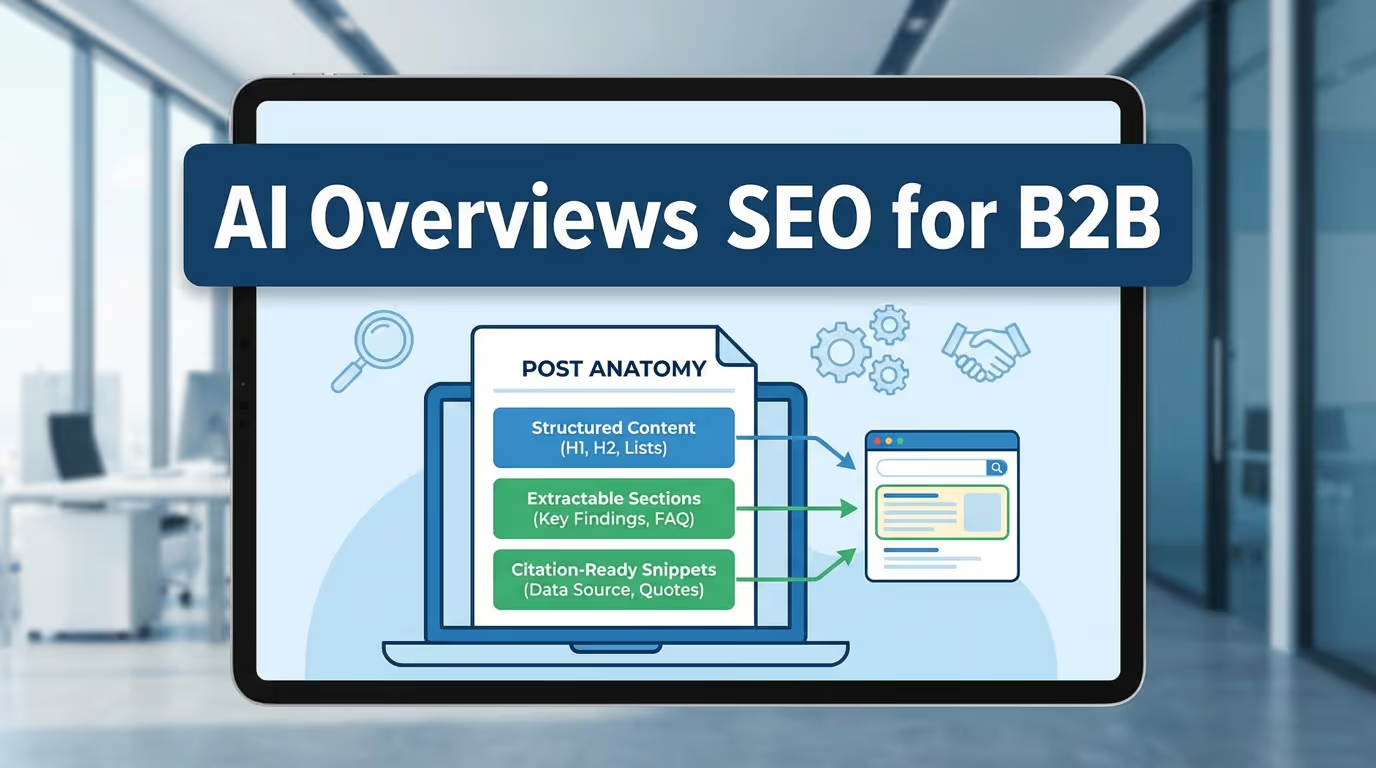
AI Overviews SEO for B2B requires a specific post anatomy that signals to Google's systems: "This content answers the query clearly, completely, and credibly."
This guide breaks down the exact formatting patterns that increase your citation likelihood in AI Overviews. You'll learn which section types get pulled, how to structure for follow-up queries, and what separates answer-ready content from the generic posts flooding every industry.
Why AI Overviews Changed B2B Content Strategy
Traditional SEO rewarded comprehensive, long-form content. AI Overviews reward extractable content.
Google's Search Generative Experience (SGE) and AI Overviews synthesize information from multiple sources to create direct answers [1]. For B2B marketers, this shift creates both a threat and an opportunity:
The threat: If your content isn't structured for extraction, competitors who format better will get cited—even if your expertise runs deeper.
The opportunity: B2B queries are often complex, multi-step, and context-dependent. AI Overviews need authoritative sources to cite for credibility. Well-structured expert content has an advantage over generic listicles.
The reality check: Even when you earn a citation, click-through rates may drop compared to traditional rankings. The goal shifts from raw traffic volume to brand visibility and qualified clicks. Someone who sees your company cited as a source—then chooses to click through—is often a higher-intent prospect than someone who clicked a random blue link.
The key insight most marketers miss: AI Overviews don't just need good content. They need content organized into discrete, citable units that match how people actually ask questions.
The Post Anatomy That Earns Citations
Answer-ready posts share a predictable structure. Each section type serves a specific function in making your content extractable.
Definitions That Establish Authority
AI Overviews frequently pull definition blocks to introduce concepts. Your definitions need three elements:
Specificity: Define the term precisely, not broadly
Context: Explain what category it belongs to
Differentiation: Clarify what it is not
Example structure:
"[Term] is [category] that [specific function]. Unlike [common confusion], it [key differentiator]."
A weak definition says: "Account-based marketing is a strategy for targeting key accounts."
A citation-worthy definition says: "Account-based marketing (ABM) is a B2B go-to-market strategy that concentrates sales and marketing resources on a defined set of target accounts. Unlike demand generation, which casts a wide net, ABM treats individual accounts as markets of one."
The second version gives AI Overviews a complete, citable unit.
Step-by-Step Processes With Clear Constraints
Process queries dominate B2B search. Decision-makers want to know how to do things—and AI Overviews love pulling numbered steps.
But generic steps get passed over. Citation-worthy processes include:
Numbered sequence: Steps in logical order
Action verbs: Each step starts with what to do
Constraints: Time estimates, prerequisites, or conditions
Common mistakes: What to avoid at each stage
Weak process:
Research your audience
Create content
Distribute content
Measure results
Citation-worthy process:
Identify buying committee roles (2-3 hours) — Map decision-makers, influencers, and blockers for your target accounts before writing anything
Audit existing content gaps — Compare your current assets against each stage of the buying journey; most B2B companies discover they're missing late-stage comparison content
Prioritize based on search intent — Focus first on commercial and transactional queries where prospects have budget authority
The constraints (time estimates, conditions) give AI models confidence that this content comes from practical experience.
Tables That Compare Options
Comparison queries are high-value in B2B. Buyers want to understand tradeoffs between vendors, approaches, or strategies.
Tables format this information in a way AI can easily extract and display:
| Approach | Best For | Typical Timeline | Key Limitation |
| In-house content team | Companies with 50+ content pieces/month | 3-6 months to build | High fixed costs, management overhead |
| Freelance writers | Irregular content needs | 2-4 weeks per project | Inconsistent quality, coordination burden |
| Content automation service | Consistent weekly publishing | 48 hours to first post | Requires strong editorial oversight |
Tables work because they structure information into scannable, comparable units—exactly what AI Overviews need to synthesize answers.
Specific Examples With Outcomes
Generic advice gets ignored. Specific examples get cited.
AI Overviews pull examples because they add credibility and context to abstract concepts. Your examples need:
Concrete details: Numbers, timeframes, context
Clear cause-effect: What was done and what resulted
Relevance signals: Industry or company type that matches reader context
Weak example:
"One company saw great results after implementing this strategy."
Citation-worthy example (illustrative format):
"For example, you might write: 'A mid-market SaaS company publishing two SEO-optimized posts weekly saw organic impressions increase significantly over six months, while their domain authority climbed during the same period.'"
The specific metrics and timeframe make this extractable as evidence. When you have real client data, use it—labeled clearly as a case study. When illustrating format, make that distinction clear.
The Invisible Layer: Why Schema Markup Matters for AI Overviews
Schema (structured data) is code you add to your pages that explicitly labels your content for search engines. Think of it as a translation layer between your human-readable content and Google's systems.
Why it matters for AI Overviews: When Google's AI synthesizes answers, it's pulling from sources it trusts and understands. Schema markup increases the machine-readability of your content, which can improve how accurately your information gets represented.
Key schema types for B2B answer-ready content:
Article schema is essential for optimizing content to rank in Google’s AI overviews. Signals that your page contains editorial content with a clear author, publication date, and topic focus
FAQPage schema: Marks your FAQ sections as structured question-answer pairs—making them significantly easier for AI to extract
HowTo schema: Labels step-by-step processes with explicit sequence information
Organization schema: Establishes your company's authority and identity
Practical implementation: Most content management systems support schema through plugins or built-in features. The technical implementation matters less than ensuring schema is present and accurate. Incorrect or missing schema doesn't necessarily hurt you, but correct schema can increase extraction likelihood.
The combination of visible formatting (clear headers, tables, lists) and invisible structure (schema) gives AI Overviews two layers of signals about what your content contains.
Section Patterns That Capture Follow-Up Queries
AI Overviews don't just answer one question. They anticipate what users will ask next—and pull content that addresses those follow-up queries.
This is the "fan-out" effect: your post becomes a citation source for multiple related queries when you structure sections to match the natural question sequence.
Map the Question Cascade
Every primary query spawns predictable follow-ups:
Primary query: "How do I optimize content for AI Overviews?"
Follow-up queries:
"What format works best for AI Overviews?"
"How long should AI Overview-optimized content be?"
"Do AI Overviews hurt organic traffic?"
"Which industries are most affected by AI Overviews?"
Each follow-up should have its own clearly headed section in your post. The H2 or H3 should mirror how people phrase the question.
Use Question-Based Subheadings
Traditional SEO favored keyword-rich headings. AI Overviews favor question-format headings that match natural language queries.
Traditional heading: "AI Overview Content Length Requirements"
AI Overview-optimized heading: "How Long Should Posts Be to Get Cited in AI Overviews?"
The question format signals to Google's models that the following section directly answers a user query—making it more likely to be extracted.
Include the "Compared To" Section
B2B buyers rarely search in isolation. They want to understand how one option compares to alternatives.
Add a dedicated comparison section that addresses "versus" queries:
Section heading: "AI Overviews SEO vs. Traditional Featured Snippet Optimization"
This captures searchers comparing approaches and positions your content as the comprehensive resource that addresses multiple angles.
Snippet Controls: What You Can (and Can't) Influence
You don't control whether Google cites you. But you can influence which content gets pulled and how it appears.
Structure for the Extract
Google's AI pulls discrete text blocks—typically shorter paragraphs for definitions, limited items for lists, and complete table rows for comparisons [2].
Format your content in extractable chunks:
Keep key definitions in single paragraphs, not spread across multiple sentences
Use proper HTML list markup (not just dashes or asterisks)
Make table headers descriptive enough to stand alone
Front-Load the Answer
The first sentence of each section should contain a complete answer. Supporting detail comes after.
Weak structure:
"There are many factors to consider when thinking about this topic. First, let's explore the background. After understanding the context, we can discuss..."
Citation-ready structure:
"B2B content should be structured in extractable chunks—shorter paragraphs for definitions and limited items for process lists. This formatting matches how AI Overviews synthesize information from source content."
The second version can be pulled directly. The first requires AI to dig through padding.
Add Credibility Signals
AI Overviews weight authoritative sources more heavily. Signal expertise through:
Specific data points with clear methodology
Named sources and citations
Experience markers ("after testing across multiple client accounts...")
Recency indicators that show content is current
These signals don't guarantee citation, but they increase the likelihood that AI models treat your content as trustworthy.
Common Formatting Mistakes That Kill Citation Potential
Most B2B blogs make predictable errors that prevent AI Overview citations:
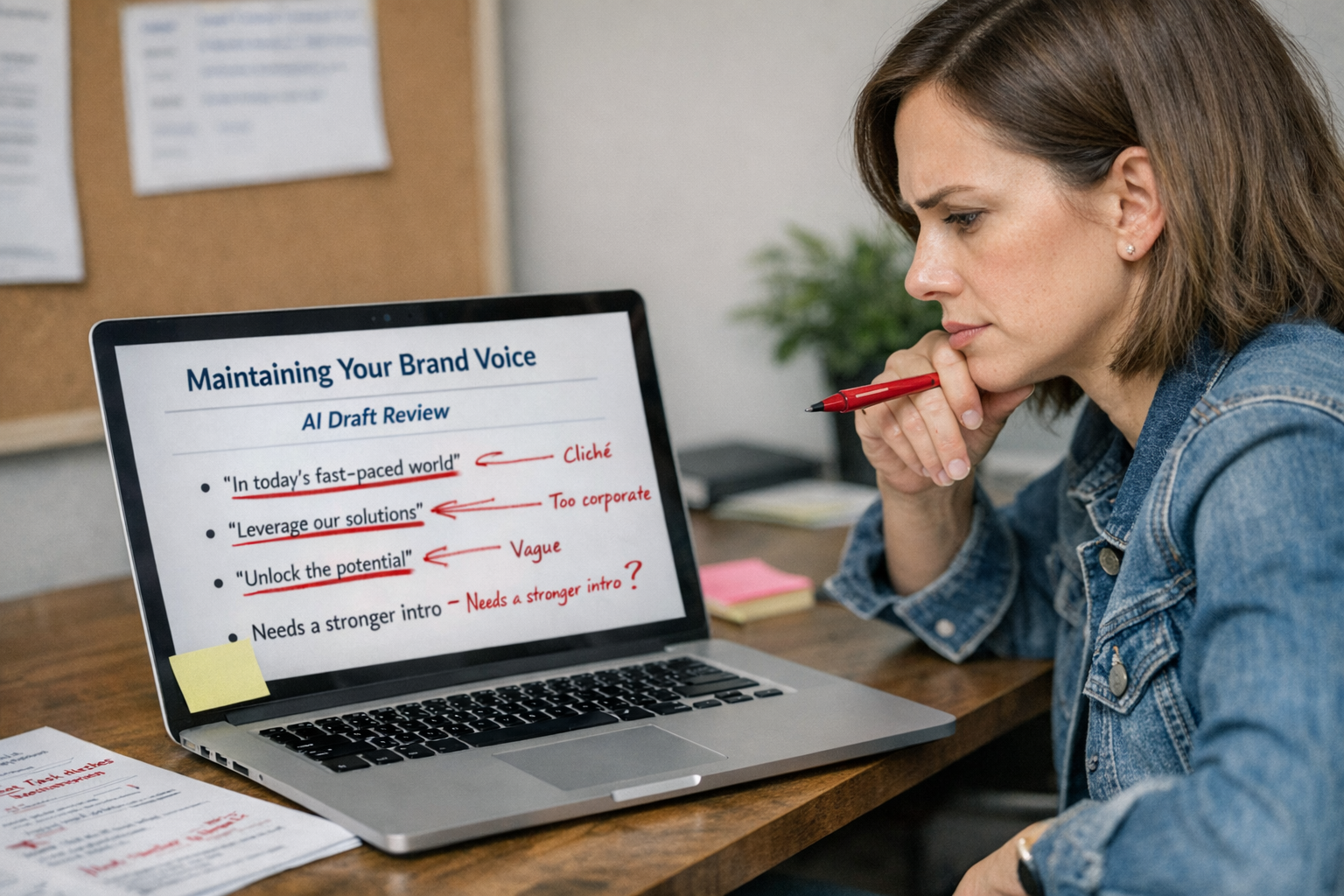
Burying the answer: Spending 300 words on introduction before addressing the query. AI Overviews want the answer fast.
Wall-of-text paragraphs: Dense paragraphs with multiple ideas per block. AI can't extract clean units from tangled prose.
Vague process steps: Generic actions without specifics. "Research your market" tells AI nothing extractable.
Missing structure signals: No clear H2/H3 hierarchy. AI models use heading structure to understand content organization.
Over-optimizing for one query: Focusing so narrowly that follow-up queries aren't addressed. You lose the fan-out potential.
No tables or lists: Pure prose when comparative or sequential information would be clearer formatted visually.
Ignoring schema markup: Relying entirely on visible formatting without adding the structured data layer that increases machine readability.
Building Your Answer-Ready Content System
One optimized post won't transform your organic traffic. The compound effect comes from consistent publishing of properly structured content.
Here's a practical system:
Week 1-2: Audit and prioritize
Start with your top 10 pages by traffic. Identify which sections could be reformatted for better extraction. Often, high-performing legacy content is your best candidate for optimization—it already has authority and backlinks, so structural improvements can yield faster results than building new pages from scratch.
Week 3-4: Build your template
Create a standard template that includes mandatory section types:
Definition block (for key terms)
Process steps with constraints
Comparison table
Specific example with outcomes
FAQ section with schema markup
Ongoing: Maintain publishing cadence
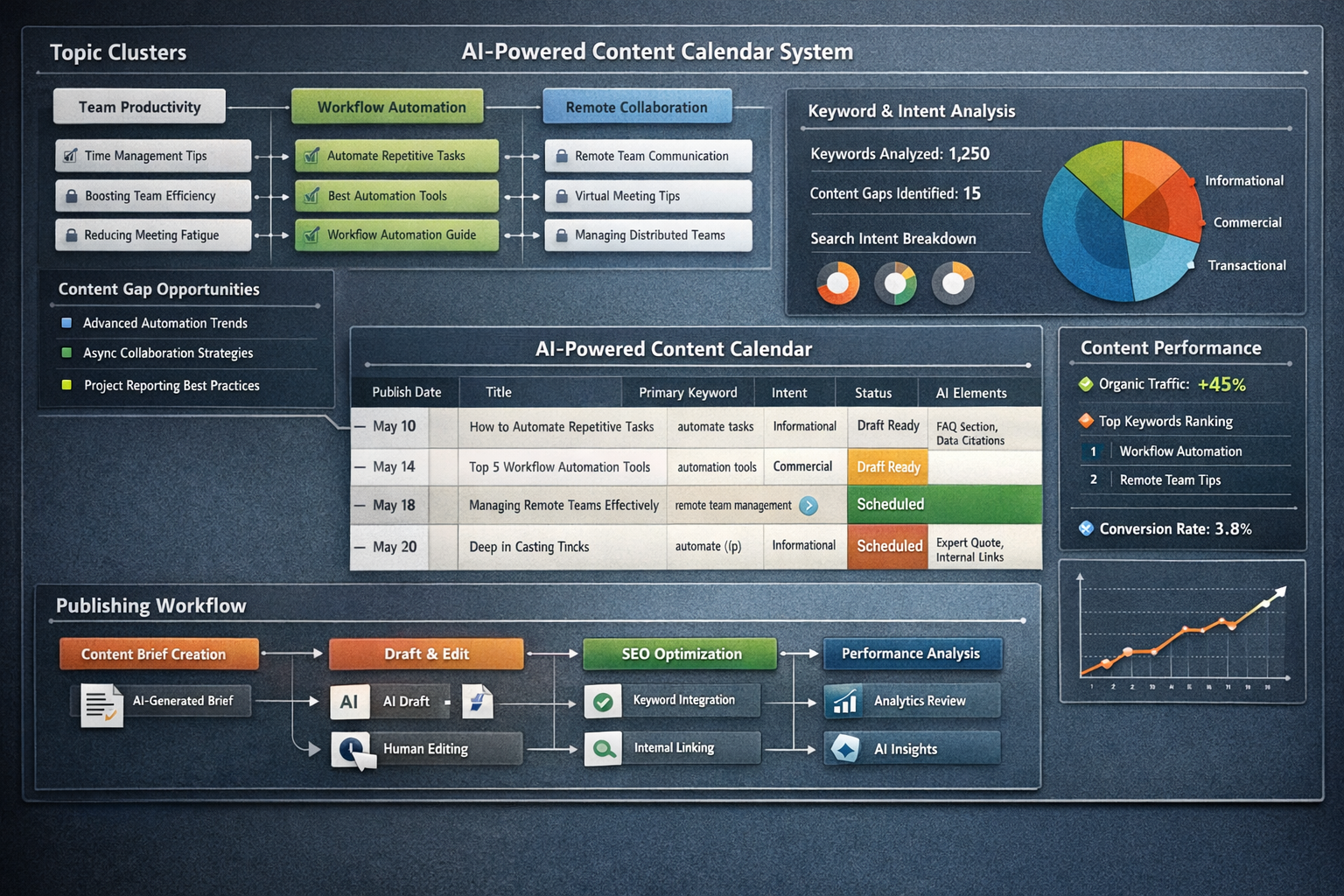
Publish 2-3 answer-ready posts weekly, each targeting a primary query plus 3-4 follow-up queries in the same topic cluster.
Continuous: Update existing content
Schedule quarterly reviews of your top-performing content. Add missing sections, update outdated information, and improve formatting. AI Overviews favor fresh, comprehensive content—and updating existing high-authority pages often produces faster results than creating new ones.
The businesses seeing consistent AI Overview citations aren't publishing random content. They're running systems that produce structurally optimized posts on a predictable schedule.
Ready to Build Your Answer-Ready Content Engine?
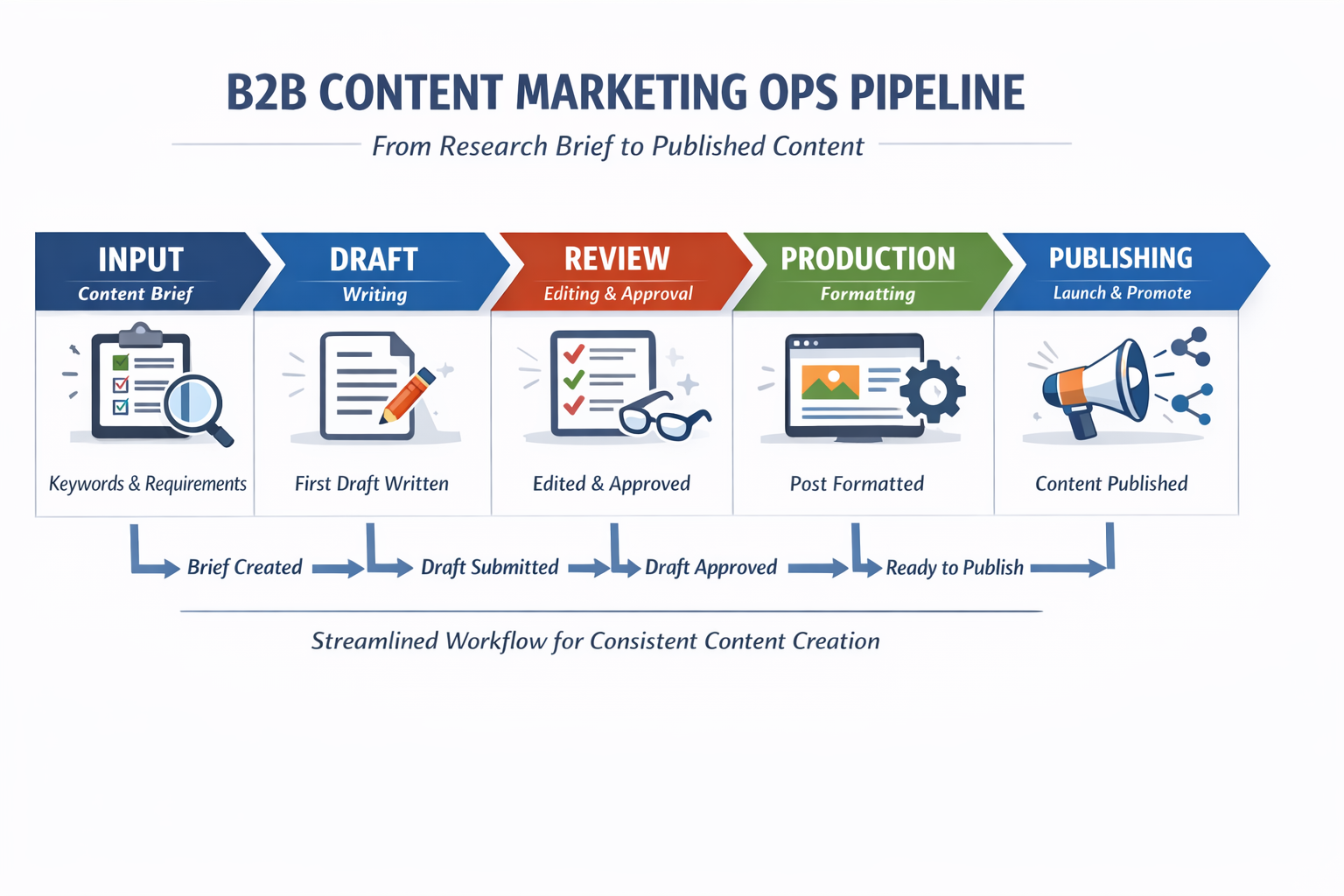
Implementing this structure consistently requires time, expertise, and discipline. Most marketing teams understand the concept but struggle with execution—especially when publishing 2-3 posts weekly alongside everything else on their plate.
The Mighty Quill builds exactly this kind of answer-ready content as a done-for-you service. Every post follows the citation-optimized structure covered here: extractable definitions, process steps with constraints, comparison tables, schema markup, and section patterns designed for follow-up query capture.
Try the Blog Engine free—get two custom posts delivered within 48 hours and see the format in action before committing to anything.
Frequently Asked Questions
How do ai overviews impact seo and Google Search visibility?
AI overviews impact SEO by changing how content is summarized and displayed in Google Search results, often appearing as succinct ai summaries above traditional organic search listings. Because google’s ai overview can pull information from multiple pages, optimizing for visibility in ai overviews requires following seo best practices, improving on-page SEO, and ensuring content is clear and authoritative so it’s considered for ai-driven search features.
Can I get featured in ai overviews and rank in ai overviews on Google Search?
Yes, you can increase the chances to get featured in ai overviews by optimizing your content for Google Search and ai search signals: use clear headings, answer common search queries directly, follow structured data guidelines, and keep content accurate and well-sourced. Appearing in ai overviews often depends on how well your page matches the query intent and whether google’s ai overview system deems your content a reliable source.
What seo strategies should I use to appear in ai and appear in ai overviews?
Adopt seo strategies that emphasize relevance and authority: perform keyword research for search queries, optimize meta tags, apply technical seo (fast loading, mobile-friendly, secure), and use structured data so google can better understand your content. It’s helpful to format concise answers that ai overviews might pull, create high-quality ai summaries, and follow guidance for appearing in search provided by google search central.
How do ai overviews affect seo for organic search results and the search engine results page?
AI overviews affect SEO by altering the traditional search engine results page mix—users may get answers from an ai overview instead of clicking through to organic search results. This can reduce clicks for some pages but also increase visibility for sources that are cited. To adapt, focus on being a trustworthy source that google’s ai can cite and optimize for both organic search and ai overview visibility.
What does it mean that google ai overviews are ai-generated and how does that affect seo best practices?
Google’s ai overview is ai-generated content synthesized from multiple sources to answer a query. Because it’s automated, following seo best practices—clear attribution, up-to-date factual content, and structured markup—helps your pages be considered reliable. According to google, transparency and authoritativeness matter, so maintain high editorial standards to improve chances of being included.
How can technical seo and Google Search Console help trigger ai overviews to show my content?
Technical SEO and tools like Google Search Console and google analytics help ensure your site is crawlable, indexed, and performing well, which increases the likelihood that your content will be accessible for ai overviews to use. Fix crawl errors, submit sitemaps, use structured data, and monitor performance reports to see which queries your pages appear for and optimize those pages to trigger ai overviews.
Do ai overviews work for all topics, including YMYL, and how should I adapt your seo strategy?
AI overviews work best where authoritative, factual answers exist; for YMYL (Your Money or Your Life) content, google holds YMYL content to higher standards. To adapt your SEO strategy, increase expertise, demonstrate authoritativeness and trustworthiness (E-A-T), cite reputable sources, and ensure medical, financial, or legal advice meets strict quality standards so ai overviews are more likely to rely on your material.
What signals does Google use to decide which pages appear in ai overviews and how can ai tools help?
Google’s algorithmic signals for ai overviews include relevance to the search query, content quality, authority, and clarity. Structured data and clean on-page SEO make it easier for google ai to extract content. AI tools can help by analyzing common search queries, drafting concise ai summaries, and testing different phrasing to see what triggers ai overviews, but always validate AI outputs against primary sources.
How will the prevalence of ai overviews change the future of SEO and the search landscape?
The prevalence of ai overviews will shift the search landscape toward concise, authoritative answers and may reduce long-tail click-throughs for some queries. SEO will evolve: follow seo best practices, optimize content to be easily summarized, diversify content formats, and monitor google search results to understand where ai overviews come into play. Staying informed via google search central and adapting your content strategy will keep you visible as ai in seo continues to grow.
How long does it take to see results from AI Overview-optimized content?
Most B2B sites begin seeing increased AI Overview citations within 60-90 days of consistent publishing. The timeline depends on your existing domain authority, topic competitiveness, and publishing frequency. Sites already ranking on page one for related queries tend to earn citations faster because Google's models already trust their topical authority.
Does optimizing for AI Overviews hurt traditional organic rankings?
No—the same structural improvements that increase citation likelihood also improve traditional SEO performance. Clear headings, scannable formatting, and comprehensive topic coverage signal quality to both AI Overviews and standard ranking algorithms. You're not choosing between two strategies; you're implementing one approach that serves both.
Can I optimize existing content or do I need to start fresh?
Existing high-performing content often makes the best candidate for optimization. Audit your current top pages, identify sections that could be reformatted into extractable units, and add missing elements like comparison tables or step-by-step processes. Starting with content that already ranks gives you a head start on earning citations.
What's the difference between featured snippets and AI Overview citations?
Featured snippets pull a single source to display at the top of search results. AI Overviews synthesize information from multiple sources and cite them within a generated response. The formatting principles overlap significantly, but AI Overviews reward content that addresses multiple angles of a topic—not just the single best answer to one narrow query.
How many posts per week do I need to publish for this strategy to work?
Consistency matters more than volume, but most B2B companies see meaningful results at 2-3 posts weekly. This frequency builds topical authority, creates internal linking opportunities, and generates enough data to identify which formats perform best for your specific audience. Publishing less frequently slows the compound effect significantly.
About This Content
This article was developed by The Mighty Quill's content team, combining AI-powered research with human editorial oversight. Our approach reflects 15+ years of digital marketing experience, including deep expertise in SEO strategy and content systems for B2B companies. Every recommendation here is grounded in observed patterns from search behavior—not theory or speculation. We publish content designed to earn organic visibility and drive qualified leads, not just fill a publishing calendar.
Cited Works
[1] Google — "A New Way to Search With Generative AI." https://blog.google/products/search/generative-ai-search/
[2] Search Engine Journal — "Google AI Overviews: What They Are & How They Impact SEO." https://www.searchenginejournal.com/google-ai-overviews/