Click-through rate used to be the clearest signal that your content was working. You'd check Search Console, see those blue numbers climb, and know your SEO efforts were paying off. That era is ending faster than most marketers realize.
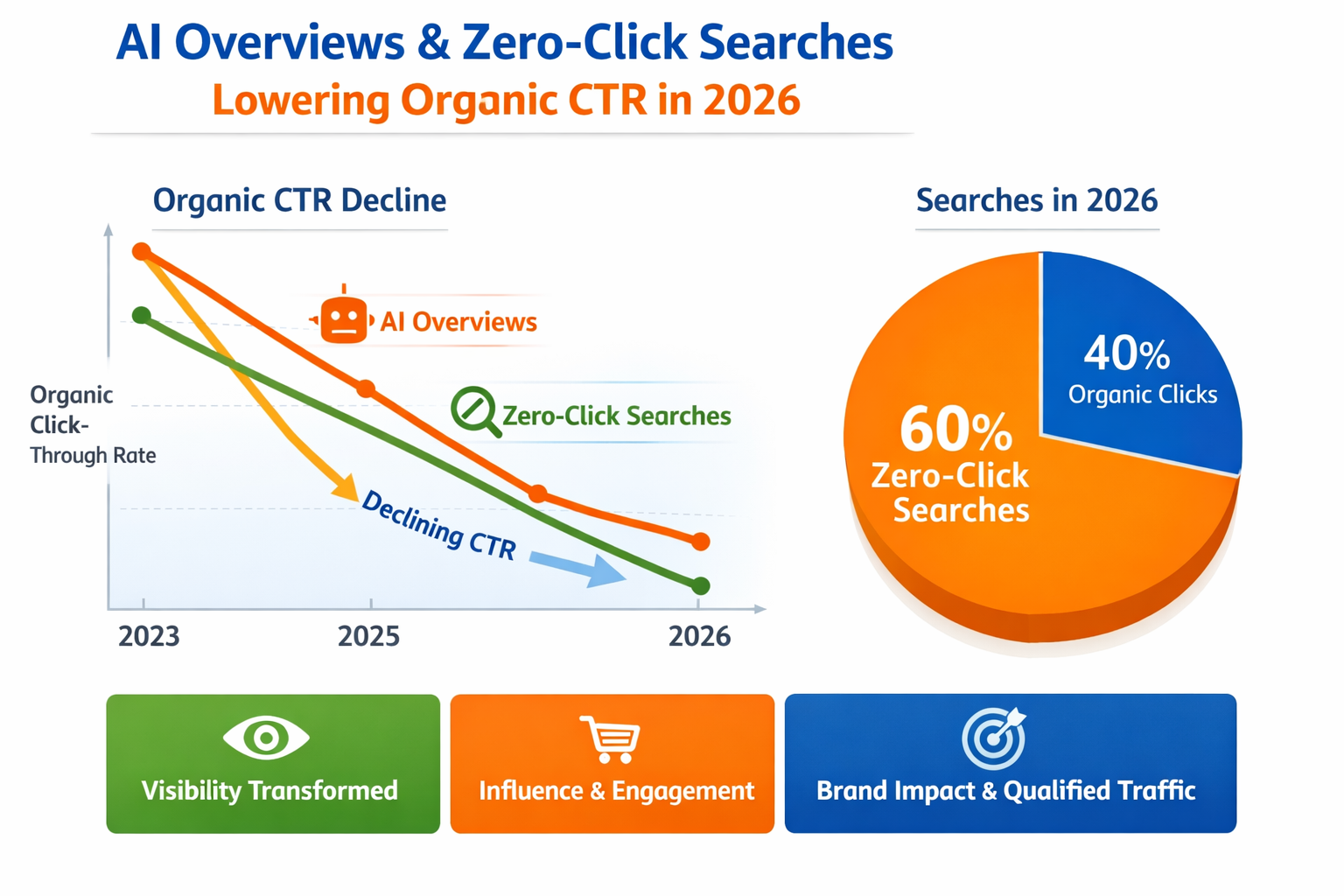
Google's AI Overviews now answer queries directly at the top of search results, pulling information from multiple sources and serving it to users who never need to click. According to a 2024 study by Seer Interactive, AI Overviews appear for approximately 47% of search queries, and when they do, organic click-through rates drop by as much as 34.5% [1]. For informational queries—the bread and butter of most content strategies—the decline is even steeper.
Here's the uncomfortable truth: if you're still measuring content success primarily by CTR, you're optimizing for a metric that's structurally decaying. You're also missing the new forms of visibility your content might already be earning.
This isn't a fear-mongering piece about the death of SEO. It's an operating model for what to measure instead.
Why CTR Is Becoming a Vanishing Metric
The mechanics are straightforward. When Google synthesizes an answer from multiple sources and displays it prominently, users get what they need without clicking through. Your content might be the primary source feeding that answer—and you'd never know it from your CTR data.
Research from Semrush shows that zero-click searches now account for nearly 60% of Google searches [2]. This number has grown steadily since the introduction of featured snippets, knowledge panels, and now AI Overviews. The trend isn't reversing.
But here's what gets lost in the doom-and-gloom statistics: visibility hasn't disappeared. It's transformed. Your content can still influence purchasing decisions, build brand recognition, and drive qualified traffic. You just can't measure it the old way.
The New Measurement Framework: Citation Share and Branded Lift
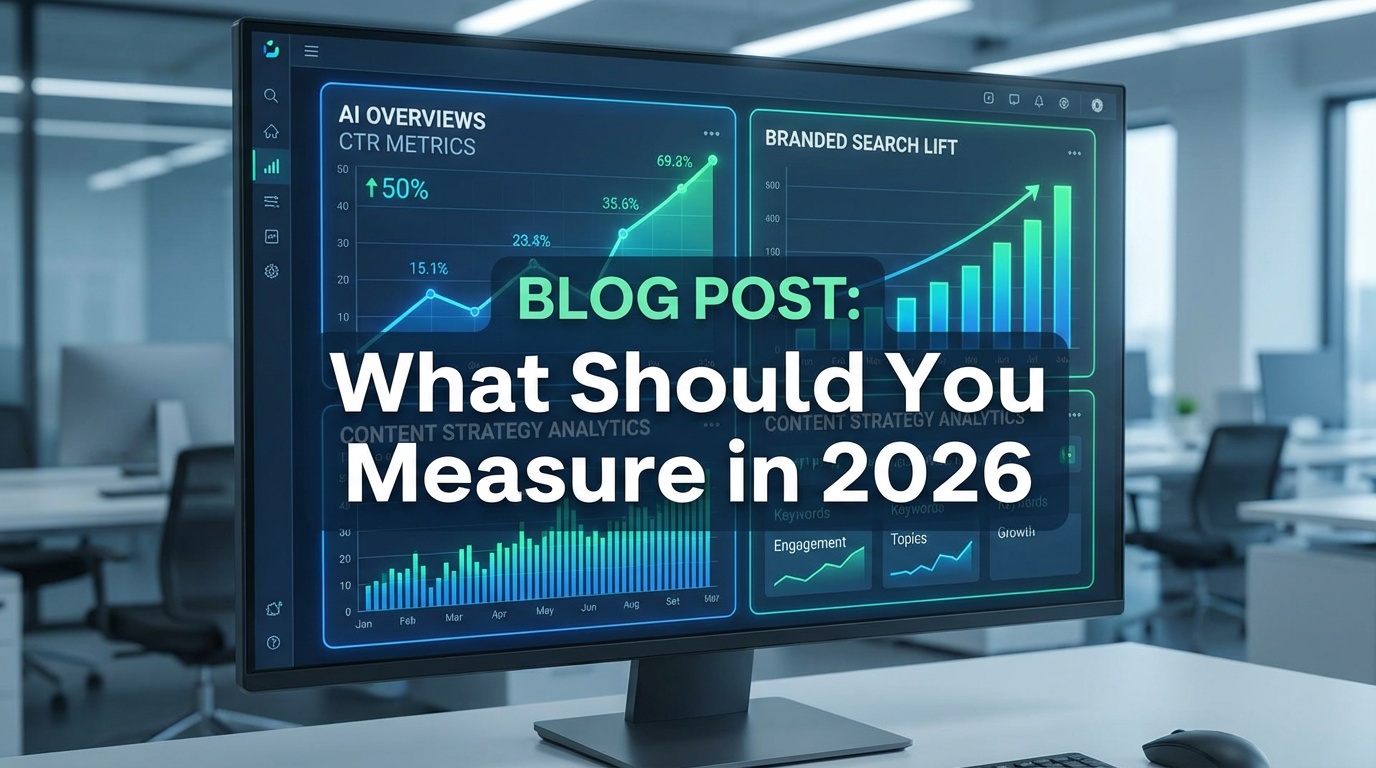
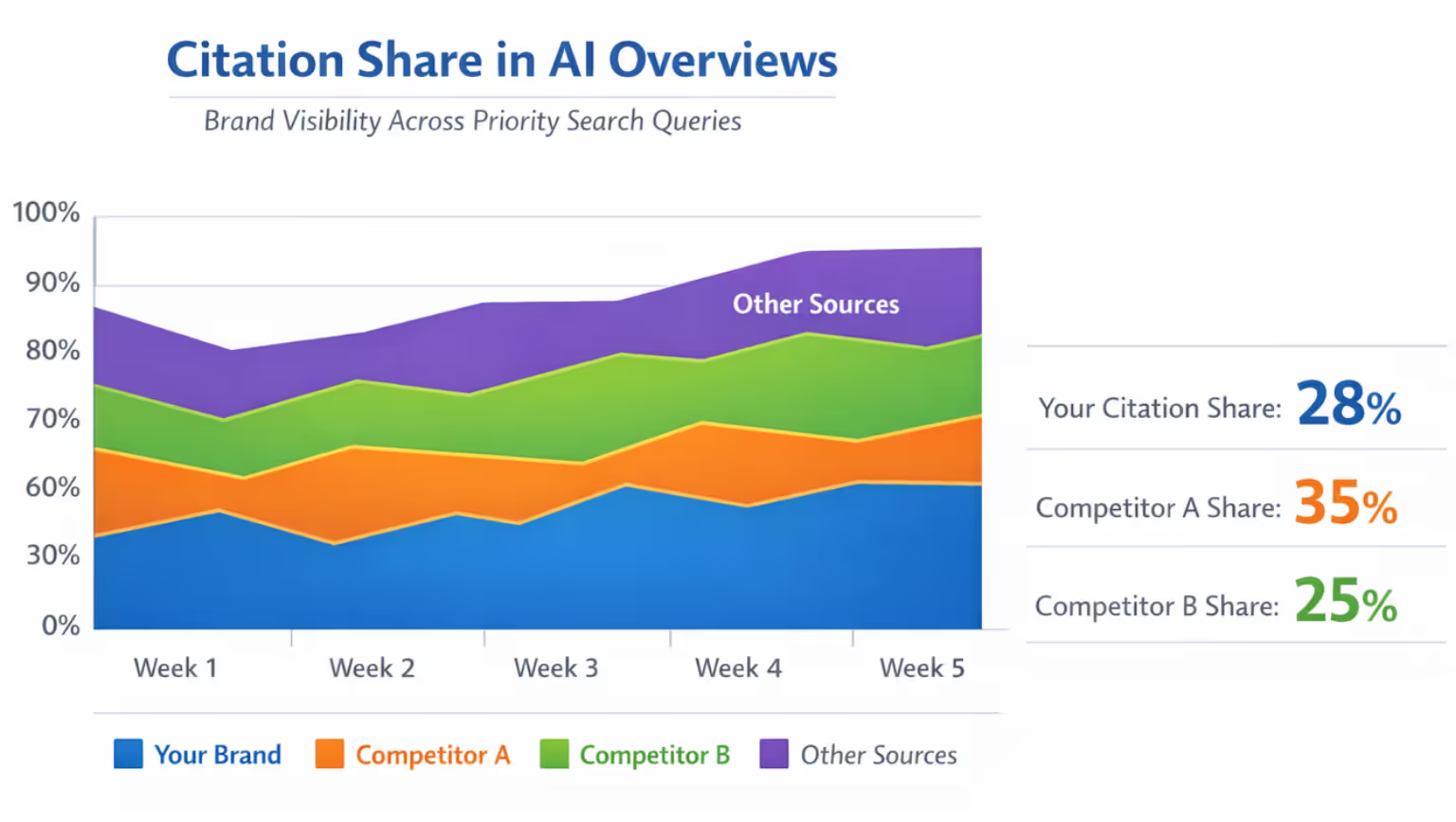
Instead of obsessing over CTR, forward-thinking content teams are building dashboards around two interconnected metrics: citation share (how often your brand appears in AI-generated answers) and branded search lift (whether exposure in AI Overviews drives people to search for you directly).
Citation Share: Your Voice in the Answer
Citation share measures how frequently your content gets referenced when AI systems synthesize answers. While Google doesn't provide a direct API for this data, you can approximate it through systematic tracking.
The process works like this:
Identify your priority search queries (typically 50-200 terms that matter most to your business)
Manually or programmatically check AI Overview results weekly
Document which sources appear, including your own
Calculate your share of citations across your target query set
Tools like Authoritas and BrightEdge have begun offering AI Overview tracking features, though manual sampling remains valuable for nuanced understanding [3].
The goal isn't 100% citation share—that's neither realistic nor necessary. The goal is trending presence in answers that matter to your buyers.
Branded Search Lift: The Downstream Signal
This is where measurement gets interesting. When your content appears in AI Overviews, users may not click immediately. But if your brand name sticks, they might search for you directly later.
Branded search lift connects the dots between AI visibility and actual business impact. Here's how to track it:
In Google Search Console:
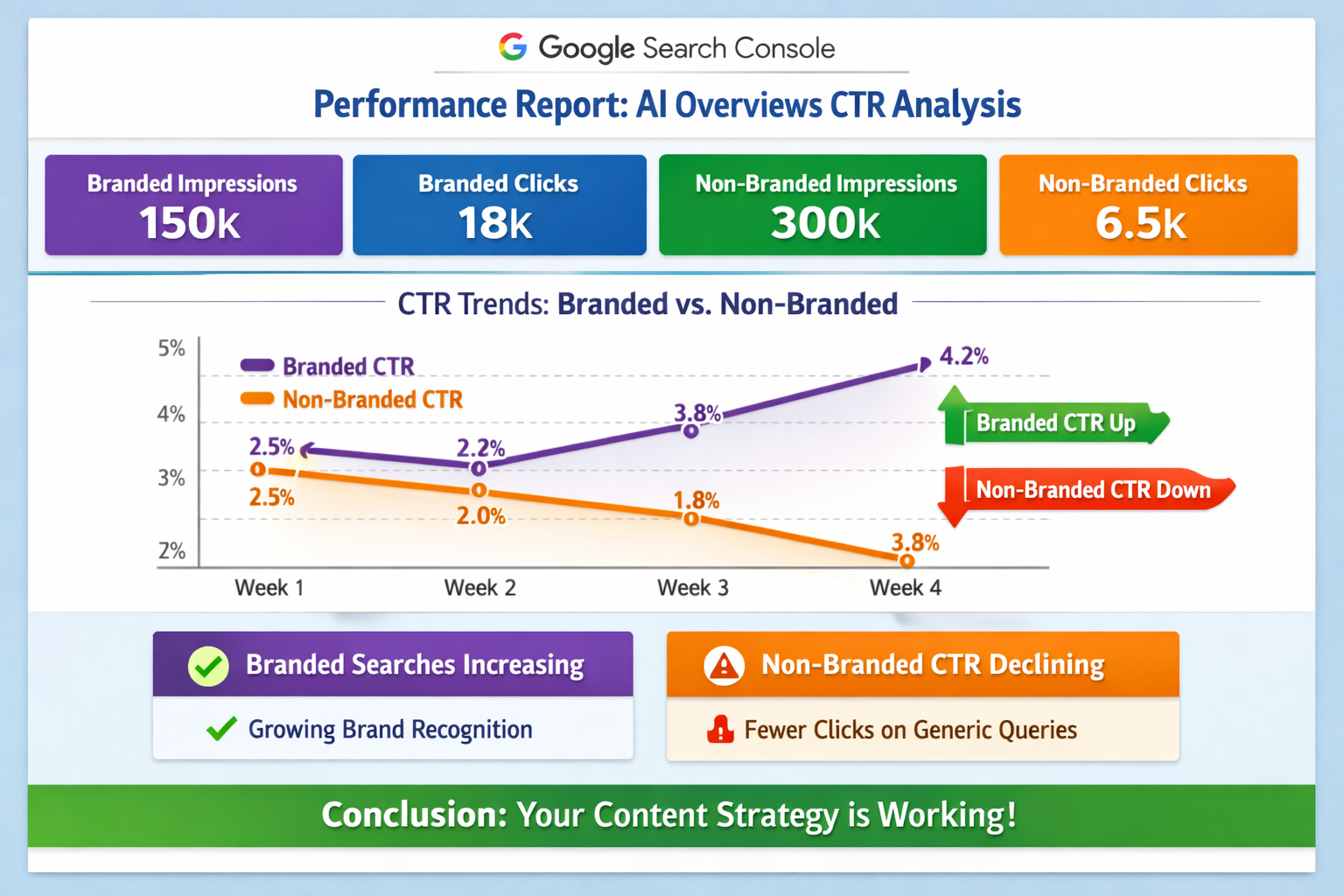
Segment your queries into branded (containing your company name, product names, or distinctive terminology) and non-branded
Track branded impression and click volumes weekly
Correlate changes with your AI Overview presence
A content team that consistently appears in AI Overviews for industry queries should see branded search volume increase over time—even as non-branded CTR declines.
The critical insight: If your branded searches are growing while your non-branded CTR is falling, your content strategy is working. You're building recognition through AI-mediated discovery. If both are falling, you have a genuine visibility problem.
Setting Up Your Search Console Dashboard for 2026
Google Search Console remains your primary data source, but you need to use it differently. Here's a practical setup:
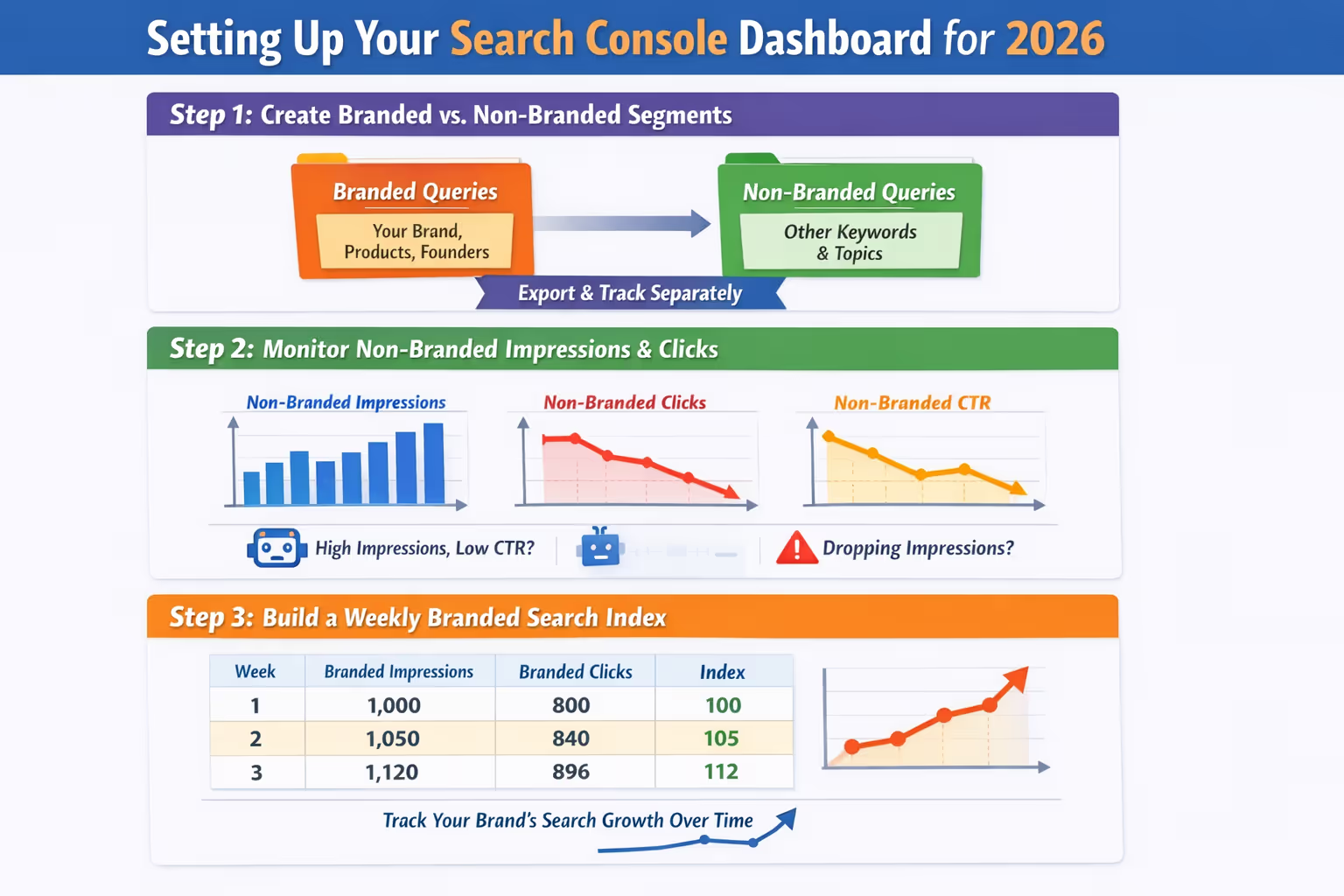
Step 1: Create Branded vs. Non-Branded Segments
Using the Performance report, create regex filters to separate:
Branded queries: Include your company name, product names, founder names, and any distinctive terms you own
Non-branded queries: Everything else
Export these segments separately and track them as distinct metrics.
Step 2: Monitor Non-Branded Impressions Separately from Clicks
Impressions in the AI Overview era indicate your content is being indexed and considered—even when clicks don't follow. A page maintaining high impressions while CTR drops is likely feeding AI answers.
Track:
Non-branded impressions (volume and trend)
Non-branded clicks (volume and trend)
Non-branded CTR (ratio and trend)
When impressions hold steady but CTR drops, you're likely visible in AI Overviews. When impressions drop, you have a rankings problem distinct from the AI shift.
Step 3: Build a Weekly Branded Search Index
Create a simple index tracking branded search volume over time:
| Week | Branded Impressions | Branded Clicks | Index (Week 1 = 100) |
| 1 | 1,000 | 800 | 100 |
| 2 | 1,050 | 840 | 105 |
| 3 | 1,120 | 896 | 112 |
This index becomes your north star metric for content success in an AI-first search environment.
Beyond Search Console: Additional Signals Worth Tracking
Search Console tells part of the story. Round out your measurement framework with:
Direct Traffic Quality
Monitor not just direct traffic volume, but engagement metrics for direct visitors. If AI Overviews are building brand awareness, direct visitors should:
Have lower bounce rates than organic
Spend more time on site
Convert at higher rates
These patterns indicate people are arriving with intent and familiarity—exactly what you want from AI-mediated discovery.
Referral Diversity
Track whether you're earning citations and links from AI-focused publishers, aggregators, and tools beyond Google. ChatGPT, Perplexity, and Microsoft Copilot all generate answers that reference source content [4]. Diversified citation presence reduces your dependence on any single platform.
Content Attribution in Sales Conversations
For B2B companies especially, ask new leads how they found you. "I read about you somewhere" or "I saw your company mentioned" often traces back to AI Overview appearances—even when the prospect can't pinpoint the source.
The Operating Model: From Measurement to Action
Data without action is just trivia. Here's how this measurement framework informs content decisions:
When citation share is low: Your content may lack the structural elements AI systems prefer. Focus on:
Clear, direct answers to specific questions
Well-organized information with logical headers
Factual accuracy with supporting evidence
Comprehensive coverage of subtopics
When citation share is high but branded lift is stagnant: Your content is feeding answers but not building recognition. Focus on:
Distinctive point of view or proprietary frameworks
Consistent brand voice that stands out
Original research or data competitors can't replicate
When both metrics are growing: Double down. You've found the formula. Scale production while maintaining quality.
What This Means for Content Strategy
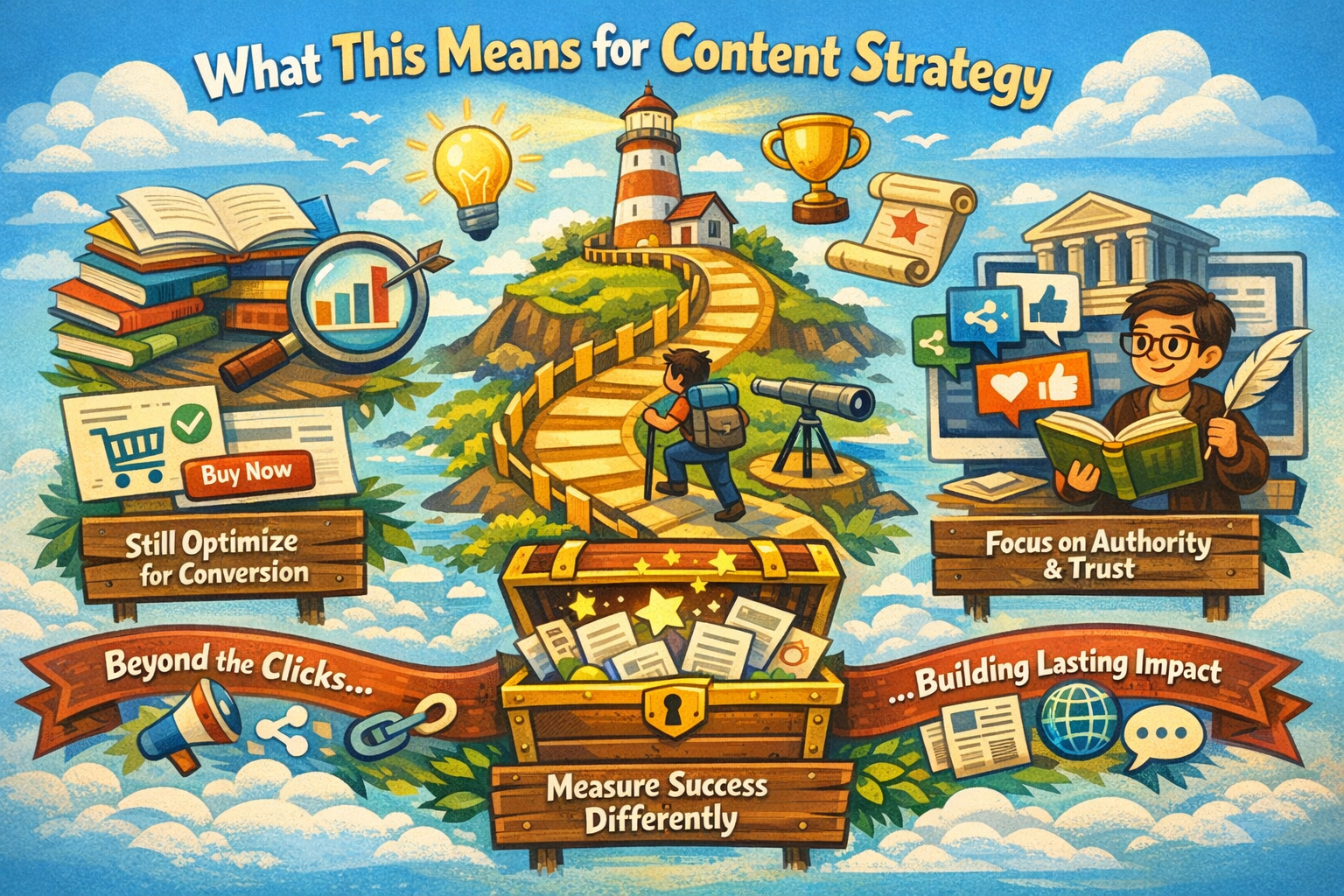
The shift from CTR-centric measurement doesn't mean clicks don't matter. High-intent commercial queries still drive clicks, and transactional content should still optimize for conversion.
But for the broader content engine—the consistent stream of helpful, informative content that builds authority—success looks different now. You're not fishing for clicks. You're building a citation-worthy reputation that compounds over time.
The companies that adapt their measurement frameworks will see what others miss: that their content is working, just through different channels than before.
Ready to build a content engine that earns visibility in AI search? The Mighty Quill helps growth-focused companies publish SEO-optimized content consistently—content structured to get cited, not just clicked. Try the Blog Engine for free and receive two ready-to-publish articles within 48 hours.
Frequently Asked Questions
How do I know if my content is appearing in AI Overviews?
The most reliable method is manual checking. Search your target queries in an incognito browser and examine whether AI Overviews appear, and if so, whether your content is cited. For scaled tracking, tools like Authoritas and BrightEdge offer automated monitoring features, though coverage varies by query type and geography.
Should I stop tracking CTR entirely?
No. CTR remains valuable for commercial and transactional queries where users still need to visit websites to complete actions. The shift is about recognizing CTR's limitations for informational content and supplementing it with citation share and branded lift metrics.
How long before I see branded search lift from AI Overview presence?
Brand recognition compounds over time rather than appearing immediately. Most content teams report meaningful branded search increases after three to six months of consistent publication and AI Overview presence. The key is tracking the trend line rather than expecting immediate spikes.
Does this measurement framework apply to small businesses?
Yes, though the implementation scales with resources. A small business might track 20-30 priority queries manually each month and monitor branded search in Search Console weekly. The principles remain identical—you're measuring whether visibility in AI answers translates to direct brand interest.
What's the relationship between traditional SEO and AI Overview optimization?
They overlap significantly. Content that ranks well in traditional search is more likely to be cited in AI Overviews. The additional focus areas for AI visibility include structural clarity, comprehensive topic coverage, and factual accuracy with clear sourcing.
About The Mighty Quill
The Mighty Quill was founded by Mario, a digital marketing veteran with over 15 years of experience in SEO and content strategy. Our team combines AI-powered efficiency with human editorial oversight to produce content that performs in both traditional search and AI-driven discovery. We've helped SaaS companies, e-commerce brands, and marketing agencies build sustainable organic traffic through consistent, quality-first publishing.
Works Cited
Seer Interactive — "How AI Overviews Impact CTR: 2024 Data Study." https://www.seerinteractive.com/insights/ai-overviews-ctr-study
Semrush — "Zero-Click Searches: What Marketers Need to Know." https://www.semrush.com/blog/zero-clicks-study/
BrightEdge — "Tracking Visibility in AI-Generated Search Results." https://www.brightedge.com/resources/ai-search-visibility
Perplexity AI — "How Perplexity Sources and Cites Information." https://www.perplexity.ai/hub/faq/citations